

Become a Welder
Are you a problem solver who likes to build strong structures? Welding might be the career for you.
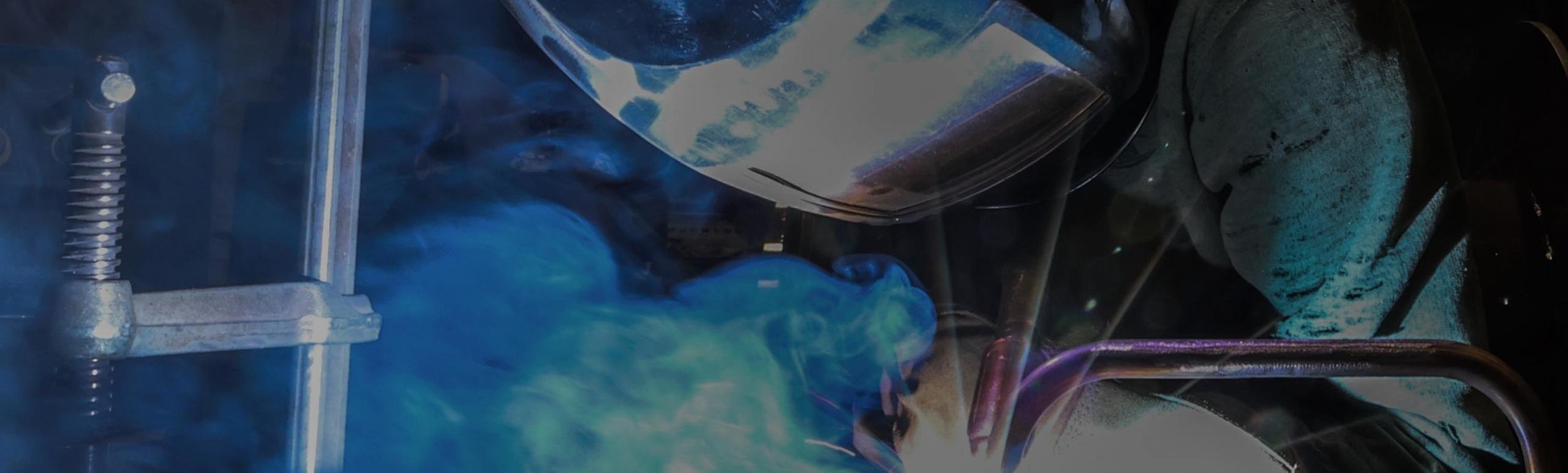
Welders permanently join, cut, or shape metal using electric arc, oxyacetylene flame or other processes.
Welders may specialize in certain types of welding such as custom fabrication, ship building and repair,
bridge building and repairs, marine infrastructure, aerospace, pressure vessels, pipeline, structural
welding, and machinery and equipment repair.

- Good hand-eye coordination
- Good attention to detail
- Ability to follow procedures accurately
- Mechanical knowledge and understanding
- Physical strength and stamina

Watch Jason share what a typical day looks like, from reading blueprints to cutting, welding, and inspecting finished work. He talks about the parts of the job people may not expect, the importance of precision and planning, and why safety and focus matter so much in this trade.
Jason also walks through how he got started, the different pathways into welding in Nova Scotia, and the career opportunities available across a wide range of industries.


- Direct Entry
Start working with a certified journeyperson and begin your apprenticeship right away - no experience needed. Most apprentices spend about 80% of their time on the job and 20% in training. - Pre-Apprenticeship
Take a program at a college or training institution to build foundational skills before starting your apprenticeship. - Trade Experience
If you already have experience – whether in Canada or internationally – you may be able to challenge the trade qualifier exam and become certified.

- Work indoors in fabrication and production shops. Or outdoors on construction sites.
- Regular use of welding torches, cutting equipment and metal fabrication tools
- Personal protective equipment (PPE) is essential
- Work often involves standing, lifting and working in small spaces or at heights

*Profile data compiled by Labour, Skills and Immigration – AskLMI@novascotia.ca