

Become an Elevating Device Mechanic A/B
Keep people moving. Power vertical transportation. Build the future of access.
There are two types of Elevating Device Mechanics in Nova Scotia.
Elevating Device Mechanic A constructs, installs, alters, repairs, maintains, services, inspects, examines and tests elevating devices, and covers all classes of elevating devices with the exception of passenger ropeways.
Elevating Device Mechanic B works solely in the constructing, installing, altering, repairing, maintaining, servicing, inspecting, examining, and testing of barrier-free lifts, and is restricted to stair chair lifts, stair platform lifts and vertical platform lifts.

Key Skills Needed
- Mechanical aptitude
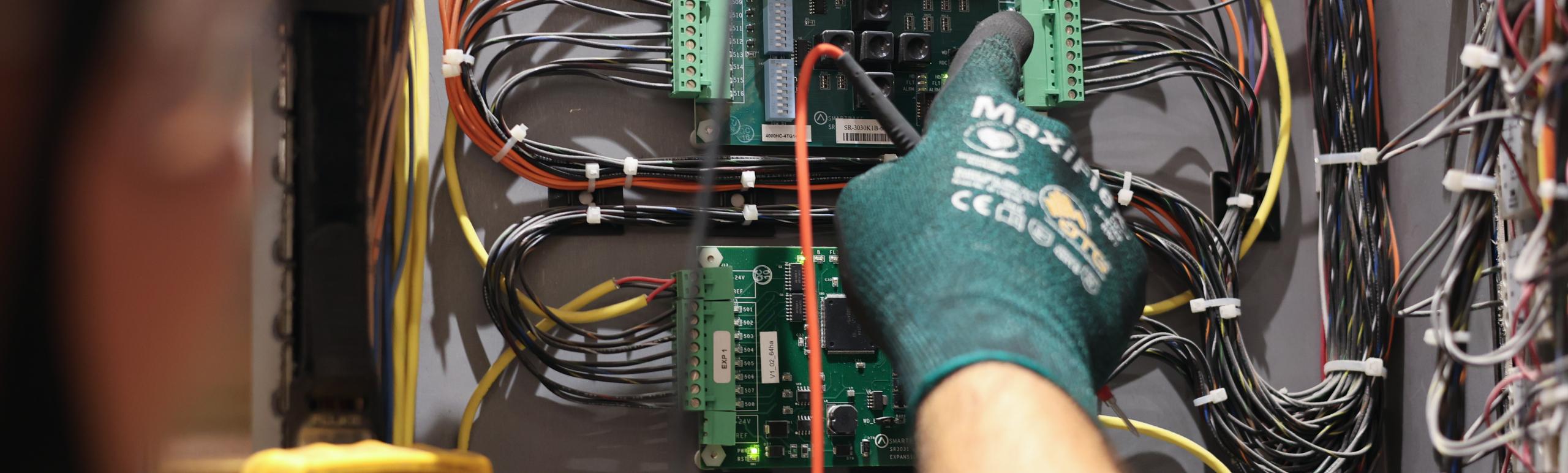
- Electrical issue-finding skills
- Problem-solving ability
- Attention to detail
- Good hand-eye coordination
- Math and measurement skills

Typical Mid-Range Hourly Rate
41
Career Outlook
Moderate - The odds of finding work in this field are considered average.

Pathways Into the Trade
- Direct Entry
Start working with a certified journeyperson and begin your apprenticeship right away - no experience needed. Most apprentices spend about 80% of their time on the job and 20% in training. - Pre-Apprenticeship
Take a program at a college or training institution to build foundational skills before starting your apprenticeship. - Trade Experience
If you already have experience – whether in Canada or internationally – you may be able to challenge the trade qualifier exam and become certified.

Working Conditions
- Work on construction sites, commercial buildings, and industrial facilities
- Install, maintain, and repair elevators, escalators, and accessibility equipment
- Work in machine rooms, hoistways, pits and mechanical spaces
- Use hand tools, power tools, testing equipment, and specialized devices
- Frequently work at heights, in small spaces, and around electrical systems
- Perform both indoor and outdoor work in a variety of environments

*Profile data compiled by Labour, Skills and Immigration – AskLMI@novascotia.ca