

Become a Blaster
Plan the blast. Shape the landscape. Build what comes next.
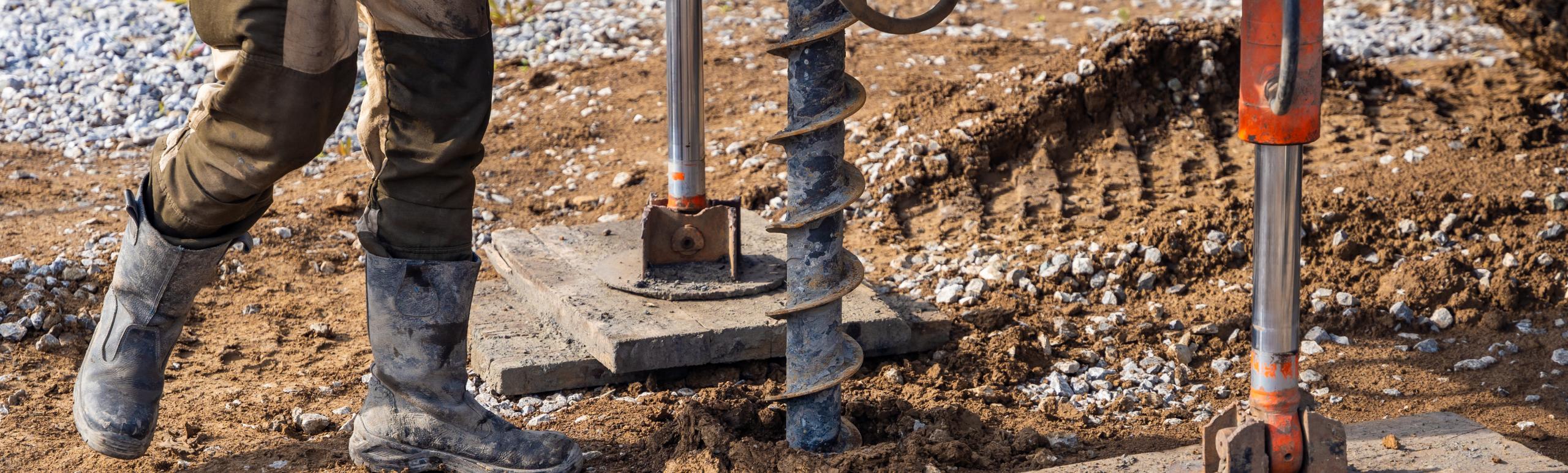
A blaster uses mobile drilling machines to bore blast holes in open-pit mines and quarries and to bore holes for blasting and for building foundations at construction sites. Blasters fill blast holes with explosives and detonate explosives to dislodge coal, ore, and rock or to demolish structures. They work for mining, quarrying, construction companies, and drilling and blasting contractors.

Key Skills Needed
- Safety awareness
- Attention to detail
- Mathematical ability
- Analytical thinking / problem-solving skills
- Physical fitness
- Ability to work independently and in teams

Pathways Into the Trade
- Blaster Course
The Blasting Safety Course (online) is open (for a fee) to anyone who plans to work as a Blaster Assistant and meets the safety requirements for this role. Submit the application (see Forms for Tradespersons), and an ITC will set trainees up with an ID number and online access to the course.
To work in the Blaster trade, an individual requires a license or permit under the regulatory authority in Nova Scotia, the Occupational Health and Safety Division.

Working Conditions
- Work primarily outdoors on construction, quarry, and mining sites
- Perform work in noisy, dusty, and challenging environments
- Travel to remote and industrial project locations
- Work around heavy equipment and specialized blasting tools
- Follow strict regulations for explosive handling and site security
- Work in all weather conditions while maintaining safety standards
